By application
Choose tungsten-copper by the job it has to do
Each application page connects the operating problem to the grades and product formats already documented in the product data — without treating every welding, EDM or thermal-management job as the same case.
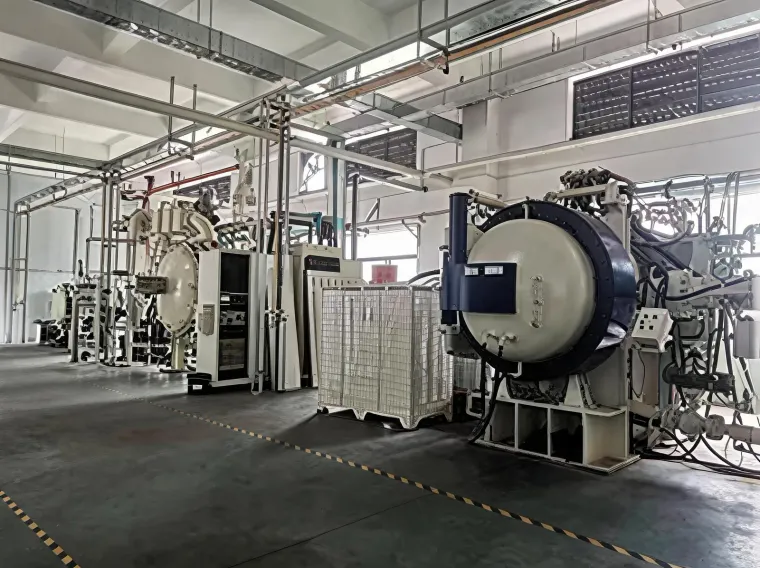
Application
Seam Welding Electrode Wheels
Wheels that hold profile through the whole coil run
View application →
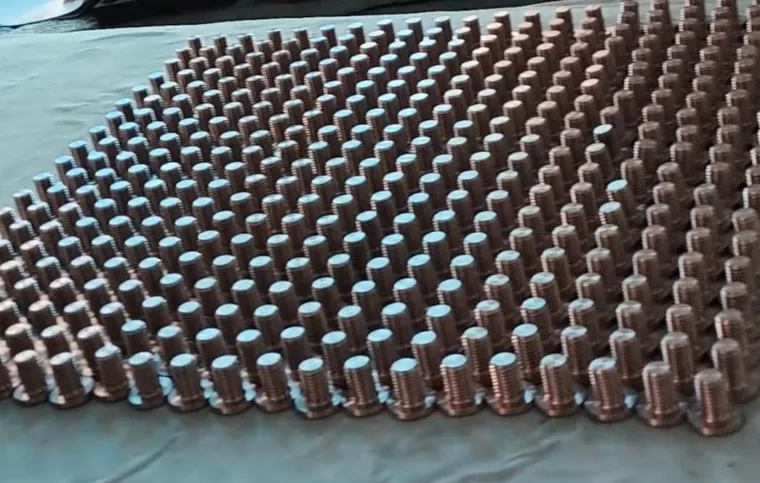
Application
Resistance Welding Electrodes
Threaded electrodes and caps for guns, robots and fixtures
View application →
Application
EDM Electrodes
Low-wear electrode stock for die-sinking and small-hole work
View application →
Application
Heat Sinks & Electrical Contacts
Where W/Cu grades split — and what we do and do not supply
View application →
Need a part rather than application guidance? Browse the product line or send a drawing for review.
Read the failure first
What breaks in each application, and which grade that points to
Grade selection gets argued as a materials question. It is usually a failure-mode question — pick the mode you are fighting and the grade follows.
| Application | What fails first | Grade this points to | Formats we supply |
|---|---|---|---|
| Seam welding wheels | Profile drift and zinc pickup on coated strip; mushrooming on bare steel under high force | 75/25 for wear life · 70/30 when the schedule needs the extra conductivity | Wheels machined to drawing, flat, bevel, R or knurled |
| Resistance welding | Face mushrooming; then thread damage or poor seating in the gun | 75/25 default · 70/30 for heavy current on coated or high-strength steel | Threaded electrodes, caps from stock, rods and blocks |
| EDM electrodes | Wear ratio — fine features eroding away before the cavity is finished | 70/30 where conductivity limits the burn · 75/25 for the longest runs | Rods, blocks, near-net blanks, custom sections |
| Heat sinks & contacts | CTE mismatch against the ceramic or package, then solder-joint fatigue | Sub-80% W only — mainstream heat-sink grades sit above that line and outside our range | Custom plates and contact assemblies to drawing |
The heat-sink row is the one where we will disappoint a buyer, so it is worth stating plainly: semiconductor heat spreaders are usually 80–90% tungsten, which is above what we export. Send the composition anyway — if it falls below the line we can quote it, and if it does not we will say so in the first reply.
Each of these has a longer argument behind it — the grade trade-off in W75Cu25 against W70Cu30, the substrate matching in the heat sink grade guide, and the wear economics in EDM material selection.